Top 7 Factors to Think About When Purchasing Your First Apartment in Chennai

The housing market in Chennai for 2025–26 is increasingly driven by infrastructure developments rather than speculation. Metro Phase 2 alignments, continued IT hiring along OMR and ECR, and large residential planning in Thirumazhisai have steadily tightened supply. Prices in established micro-markets are moving up year-on-year, often in the 12–15 percent range, yet first-time buyers are still managing to enter the market when they focus on gated developments with clear planning and realistic unit sizes. Many buyers start their search for, flats for Sale in Chennai here, focusing on homes meant for everyday living rather than quick resale.
What complicates the decision to buy an apartment in Chennai is the market's saturation with options. New launches, soft launches, and resale listings appear simultaneously, each promising urgency and limited availability. Under that pressure, buyers often move forward without fully checking delivery timelines or approvals, approval status, or the true cost beyond the base price. Those gaps usually surface later, when changes become difficult to address.
This blog breaks down seven practical checks that help first-time buyers slow the process down. Starting with location, then builder credibility and legal readiness, the aim is to identify projects that hold value over time rather than adding avoidable risk to a long-term living.
Prioritize Location: Connectivity Trumps All for Daily Life
In Chennai, location decisions tend to show their consequences only after possession, once daily movement becomes predictable. Commute duration, school logistics, and the ability to reach medical facilities without detours begin to influence how workable a home actually is. Along ECR, developments closer to established junctions behave differently from those placed further along the stretch, where access narrows and congestion concentrates. In Poonamallee, metro availability has altered how residents plan travel, often reducing the need for multiple vehicles. In areas such as Thirumazhisai, buyers generally assess locations based on road access and nearby hospitals rather than how the locality is positioned in advertisements.
While reviewing apartments in Chennai, attention should also be paid to infrastructure already under construction, including OMR flyovers and the Outer Ring Road. These projects reshape traffic patterns and affect resale interest over time. Locations that appear competitively priced may feel restrictive later if transport access remains limited after you buy a flat in Chennai for long-term use.
Vet the Builder: Track Record Over Promises
Builder reputation matters most after booking, when timelines slip, or coordination weakens. At that stage, brochures stop helping. The only reliable way to judge a developer is to visit completed sites and see how the project functions years later. Look at finishing quality, maintenance standards, and whether common areas still match what was originally committed. Developers who have delivered consistently tend to show repeatable systems rather than project-specific improvisation.
In Chennai, groups that have a long track record of delivery and a substantial resident population typically operate under stricter controls. Projects such as VRX Magna in Thirumazhisai are often referenced due to possession timelines being met without extended follow-ups. Before you buy an apartment in Chennai, cross-check RERA records and customer complaints for unresolved delays beyond six months. Clear communication and visible post-handover support usually separate dependable builders from risky ones.
Scrutinize Papers: CMDA, EC, RERA Essentials
Legal checks should happen before negotiations begin, not after a unit is selected. The Encumbrance Certificate is the first document to look at, simply to confirm that the land is not carrying loans or unresolved claims. Title papers should show how ownership has moved over time, without breaks that rely on explanation later. Planning approvals from CMDA or DTCP need to match what is being constructed on site, not what appears in brochures or sample drawings.
For projects that are still under construction, including developments like Exurb in Thiruporur, RERA registration matters because it fixes responsibility once work is underway. In established VRX projects, approvals and records can be verified independently. A property lawyer’s fee is limited, but the clarity it brings avoids disputes that are difficult to correct after possession of your new apartment in Chennai.
Full Cost Reality: Beyond Brochure Price
The headline price is rarely the number that decides affordability. What matters is the total cash flow required before possession and in the first year after moving in. Buyers should plan for an upfront contribution of roughly 10–20 percent, followed by statutory costs such as stamp duty and registration, which together sit close to 7 percent in Tamil Nadu. For under-construction homes, GST at 5 percent applies. Ongoing charges also need attention; maintenance commonly falls in the ₹3–5 per square foot range, depending on the scale of the project.
When evaluating apartments in Chennai, it is equally important to account for items often excluded from brochures. Preferred location charges, car parking, and corpus funds add up quickly. Financing should be arranged early. Pre-approvals from lenders such as SBI or HDFC give clarity on eligibility and current Chennai rates before you commit to buy a flat in Chennai.
Inspect Build: Ventilation, Vaastu, Finishes
Apartment quality is not something brochures can reveal. It shows up when you stand inside the unit and pay attention to how the space behaves. When buying a flat in Chennai, remember that orientation affects daily comfort more than buyers expect; east-facing homes usually handle light and heat with fewer adjustments. Ask for the actual carpet area and see how furniture fits, rather than relying on percentage break-ups. Spend time in a sample flat to notice air movement, water pressure, and finishing consistency. These points matter in humid conditions. Wall construction and the grade of fittings play a direct role in sound insulation and long-term upkeep. Local buying behaviour also continues to reflect Vaastu preferences, with layouts such as north-east kitchens generally finding wider acceptance when you buy an apartment in Chennai.
Amenities That Matter: Practical Over Flashy
Amenities start affecting residents only after occupation, once usage becomes routine. At that point, reliability matters more than scale. Large developments may advertise long lists, but what sustains daily living are systems that function without interruption. In projects such as VRX 360, open space allocation, gyms, and pools hold value only when supported by consistent power backup, working STP systems, and dependable lift operations. Before finalising an apartment in Chennai, buyers should review whether maintenance charges realistically cover these essentials rather than being revised later.
For most households, features that support everyday routines are used far more than ornamental facilities. Secure play zones and controlled access points usually remain active throughout the year. In Chennai, water arrangements require particular scrutiny; a balanced borewell and corporation supply limits future disruption when you buy an apartment in Chennai for long-term occupancy.
Future Appreciation Potential
Future value should be part of your calculation when you shortlist any apartment in Chennai. Areas influenced by upcoming catalysts like a new IT park, the Kilambakkam Bus Terminus, or projects such as Fintech City, often see sharper jumps in demand once these hubs become fully active. Instead of only chasing a “ready and crowded” neighbourhood, many buyers quietly adopt a “wait and earn” strategy: they enter a developing township at a relatively modest price and hold the home until roads, public transport, and social infrastructure catch up, which can translate into healthy appreciation by the time the locality matures.
Conclusion
Buying a first apartment in Chennai usually settles over a series of decisions rather than a single trigger. What matters is how those decisions perform after possession, when routines settle, and practical use begins. Buyers who pause to verify approvals, spend time at completed sites, and account for costs beyond the initial quote generally avoid the need for later adjustments. This trend is evident in several gated communities delivered over the years, including developments in growing residential pockets such as Apartments in Thirumazhisai, where consistent planning and execution have proven more important than launch cycles or market timing.
For most families, clarity at the early stages makes the difference. Documents reviewed upfront, site visits done without rush, and a budget that allows flexibility to reduce long-term pressure. Approached this way, buying a flat in Chennai and procuring ownership becomes clarity rather than an assumption.
FAQs
1. What is the right budget for a first apartment in Chennai?
Your budget should cover more than the basic quoted price. Apart from the per‑square‑foot rate, factor in stamp duty, registration charges, GST on under‑construction units, car‑parking fees, maintenance deposits, and interior work. It is safer to keep a 10–15 percent buffer over the builder’s base price when you plan your finances.
2. How important is location when buying a flat in Chennai?
Location drives both daily convenience and long‑term value. Check how long it actually takes to reach your workplace, schools, and hospitals at peak hours, not just on maps. Access to metro lines, main roads like OMR/ECR or Poonamallee High Road, and basic neighbourhood facilities usually matters more than a slightly lower rate in an isolated pocket.
3. Which legal documents should I verify before booking?
Have the legal file on your shortlisted flat laid out before you pay even a small booking sum. Go through the RERA entry, CMDA or DTCP approval, title chain, and Encumbrance Certificate to see whether ownership and layout match what is being sold. If any link feels weak or unexplained, pause the process and let a property lawyer read the papers independently.
4. How do I judge whether a builder is reliable?
Do not rely solely on brochures or advertisements. Visit at least one or two completed projects by the same group and observe construction quality, common‑area maintenance, and how complaints are handled. On‑time handovers, transparent communication, and a steady resident community are stronger indicators of reliability than launch offers.
5. What should I look for inside the apartment beyond the floor plan?
Stand inside a sample unit and check how the space actually feels. Pay attention to ventilation, natural light, water pressure, corridor width, and noise levels between apartments. Ask for the carpet area, not just super built‑up area, and think through where essential furniture will go. Practical comfort today often matters more than an extra amenity on the brochure.
- flats for Sale in Chennai
Similar Posts

General
Why Working Professionals Are Turning to Real Estate Investments

General
Studio, 1BHK or 2BHK: Which Home Fits Your Goals Best





Search
Categories
Recent Posts
- Why Working Professionals Are Turning to Real Estate Investments
- Studio, 1BHK or 2BHK: Which Home Fits Your Goals Best
- The Biggest Lie Homebuyers Believe About Construction Quality
- Buying a Home Free of Cost? VRX Magna Makes It Possible
- Why Smart Homebuyers in Chennai Are Choosing Efficient Community Living
- VRX Terrace: Chennai's Highest ROI Homes by Tamil Nadu's Largest Smart Home Developer
- Don't Buy a Home. Buy the Corridor: The New Rule of Real Estate Investment
- The Power of Buying Early: Inside West Chennai's Fastest-Growing Corridor
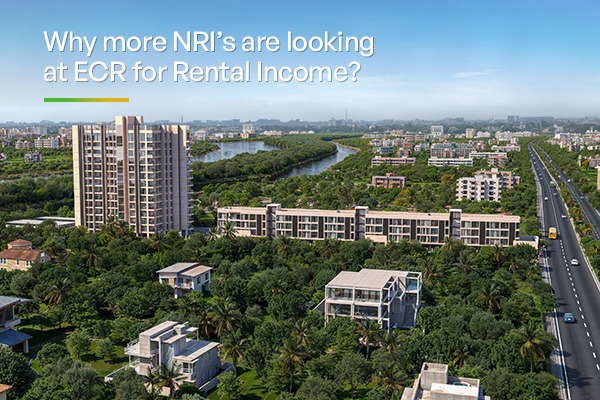
- Why More NRIs Are Looking at Chennai’s ECR for Rental Income
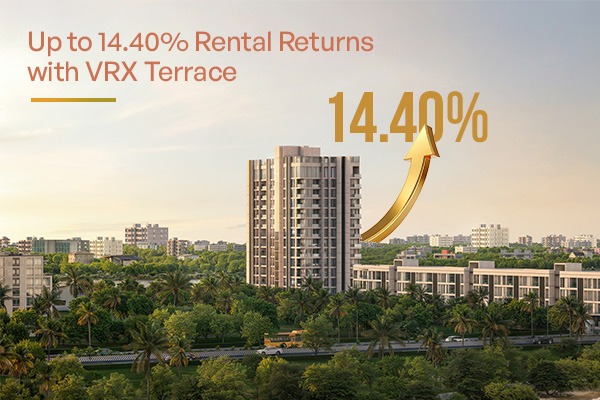
- Up to 14.40% Rental Returns with VRX Terrace: Why More Investors Are Looking Towards ECR